

Blog
Akamu (Ogi): Nigeria’s Beloved Fermented Breakfast

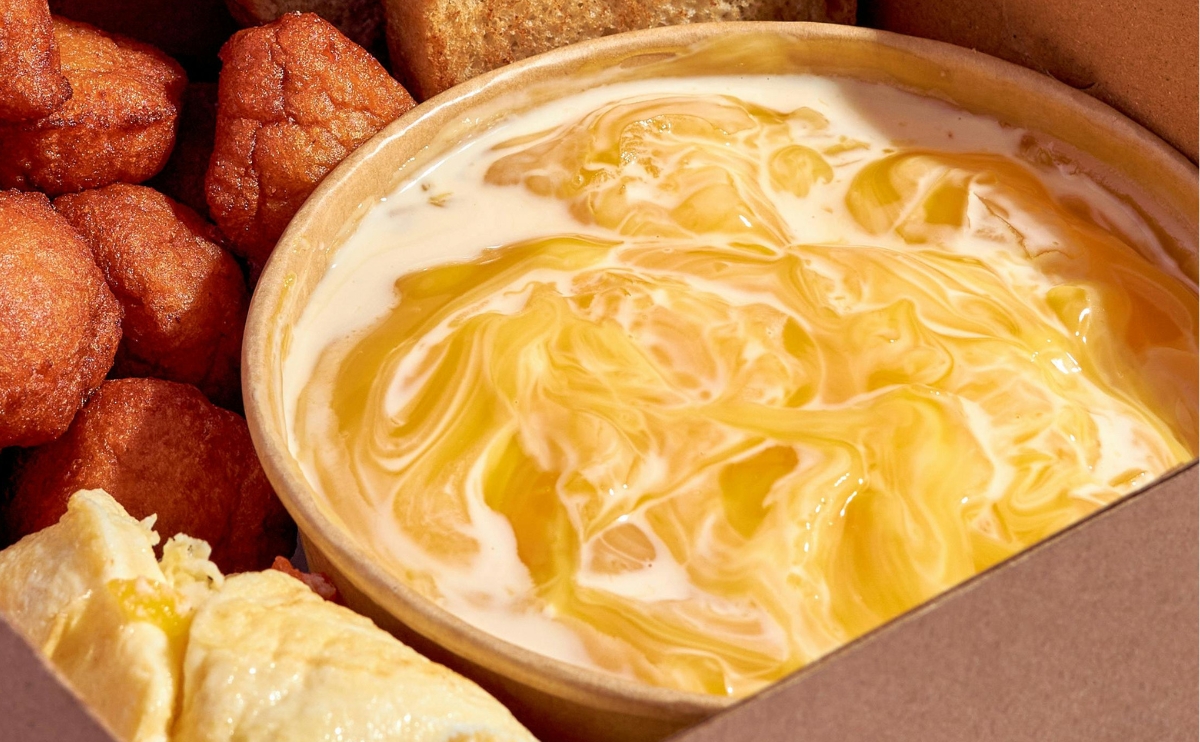
If you’ve ever wondered what akamu or ogi is, you’re not alone. For many Nigerians and other West Africans, akamu or ogi is far more than just breakfast. It is a cherished comfort food that has been part of family traditions for generations. Served warm in homes across the country, this fermented porridge is loved for its silky-smooth texture, distinctive, slightly tangy flavour, and remarkable versatility. Whether enjoyed on its own or paired with favourites like akara (bean fritters), moi moi, bread, or fried yam, akamu remains one of Nigeria’s most iconic and widely consumed breakfast dishes.
Known by different names, including ogi, pap, akamu pap, and ogi (pap), this humble dish is made through a natural fermentation process that not only gives it its unique taste but also contributes to many of its nutritional and digestive benefits. Although it is most commonly prepared from maize, ogi can also be made from millet or sorghum, with each grain offering its own subtle flavour and nutritional profile.
Today, akamu is enjoyed not only throughout Nigeria but also by Nigerians and lovers of African cuisine around the world. As interest in traditional, fermented foods continues to grow, more people are discovering why this simple porridge has remained a staple for centuries.
In this guide, we’ll explore everything you need to know about this fermented breakfast meal, including what it is, what it is called in English, its nutritional benefits, how it is traditionally made, how it differs from ordinary maize porridge, and why it continues to hold a special place in Nigerian cuisine.
In this guide, we’ll explore what ogi is, its benefits, how it’s made, and why it continues to be a staple in Nigerian homes.
What Is Akamu (Ogi)?
Akamu is a fermented cereal porridge commonly eaten across Nigeria. It is made by soaking grains, allowing them to ferment naturally, then milling and straining them into a smooth starch. The resulting paste is cooked with hot water to produce a silky, creamy porridge.
Traditionally, it is made from maize (corn), although millet and sorghum are also widely used, particularly in different regions of Nigeria. The natural fermentation process gives it its distinctive slightly tangy flavour while enhancing its digestibility. It is commonly enjoyed as a breakfast meal but is also served as a light meal or comfort food throughout the day. It is often paired with akara (bean fritters), moi moi, bread, fried yam, or enjoyed on its own with milk.
Depending on the region, it is also known as:
- Ogi
- Pap
- Akamu pap
- Ogi (pap)
Although these names are often used interchangeably, they all refer to the same traditional fermented porridge. The name “ogi” is more commonly used among the Yoruba people, while “pap” is a broader English term that many Nigerians use in everyday conversation.
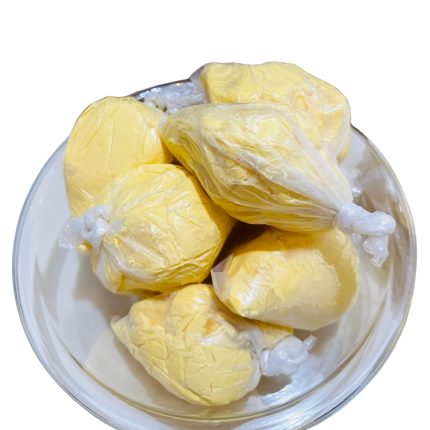
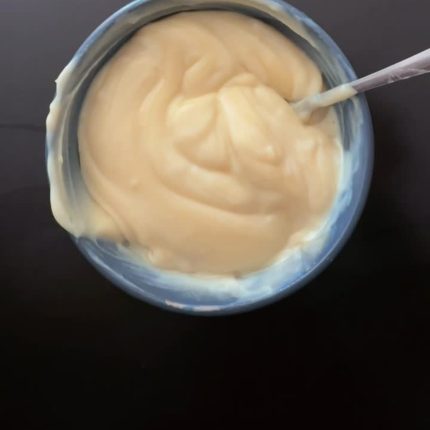
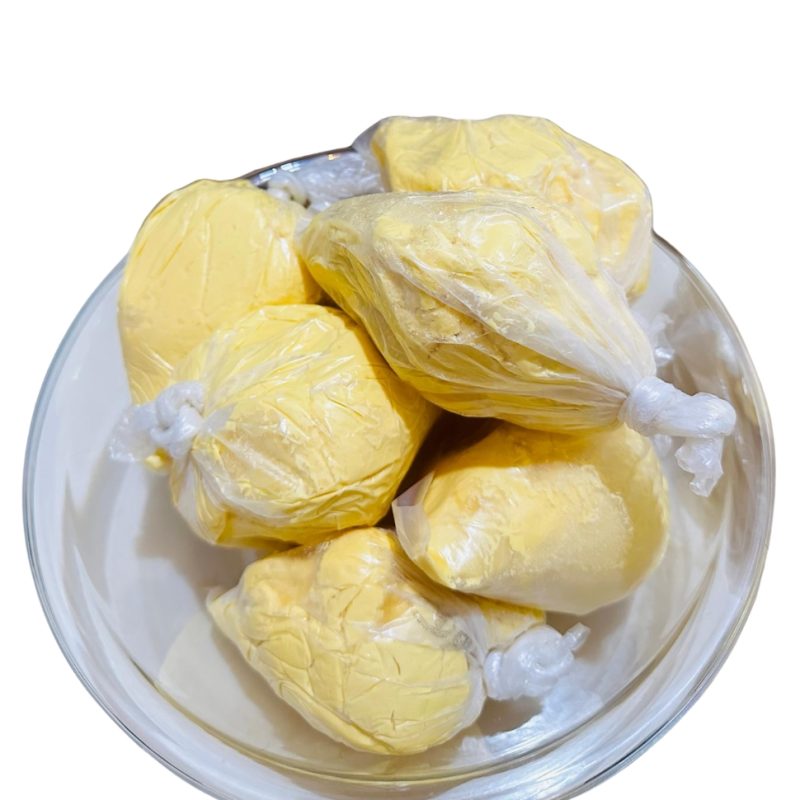
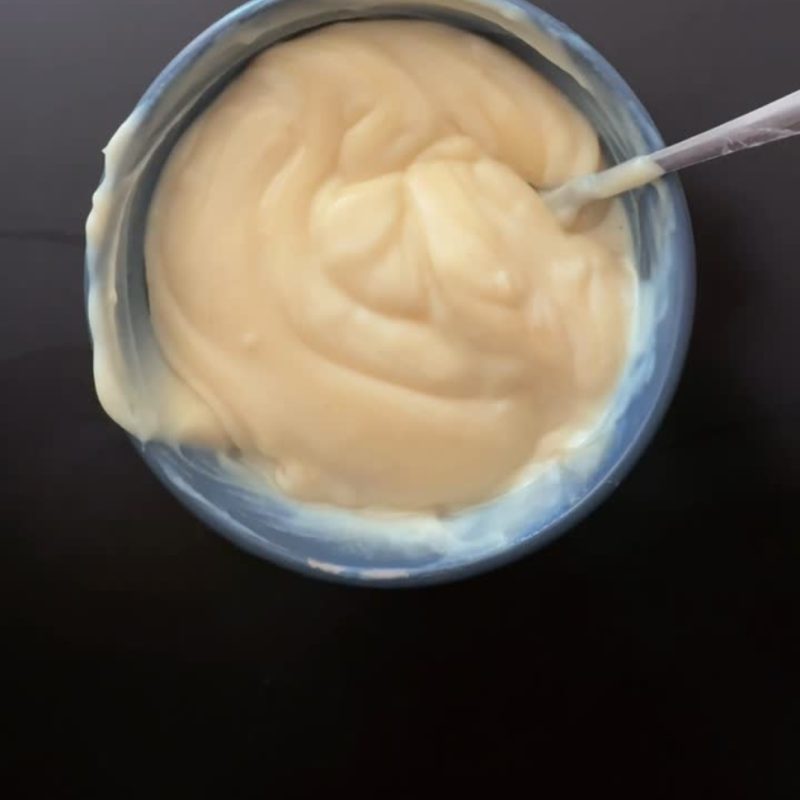
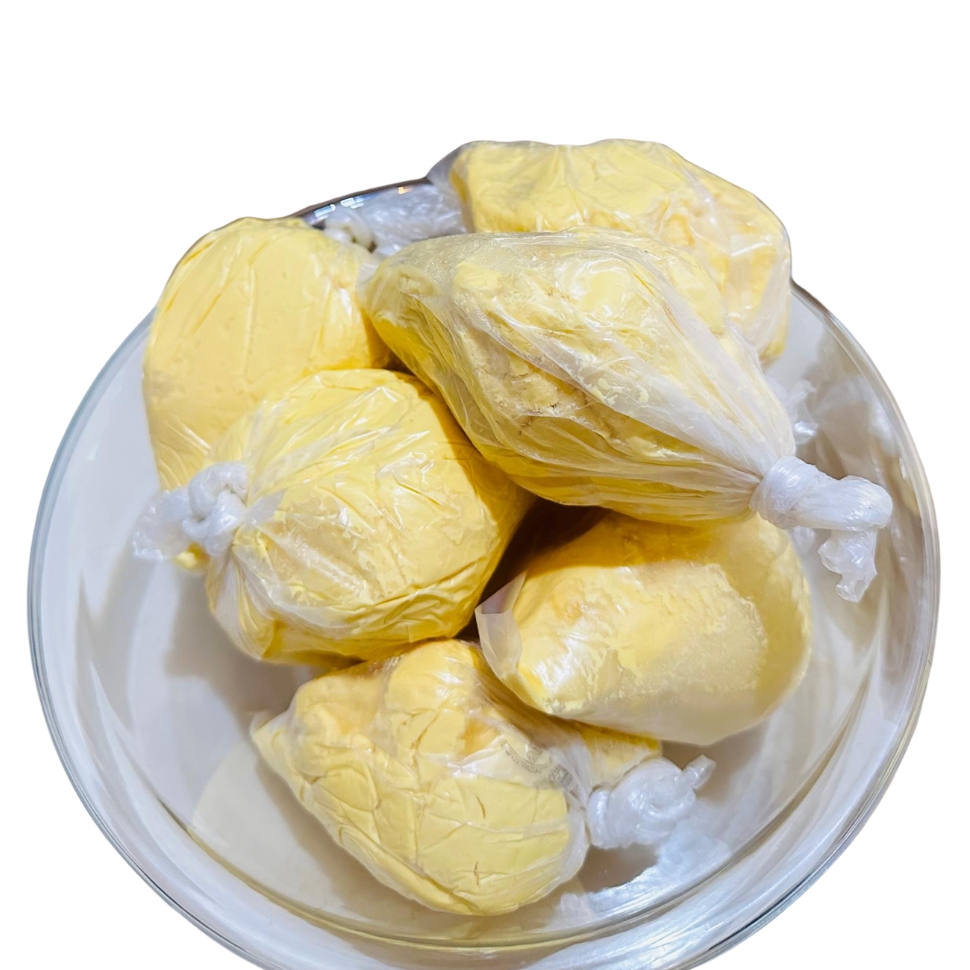

Ogi (Akamu) Paste
Authentic Nigerian ogi (akamu), traditional fermented corn pap, is a beloved West African breakfast staple known for its smooth, creamy texture and distinctive tangy fermented flavour. Ogi has been nourishing families across Nigeria and the diaspora for generations. Premium-quality grain sourced directly and prepared using time-honoured fermentation methods. This ogi (akamu) is ready to prepare; just mix with hot/boiling water, stir, and serve warm. Perfect for busy breakfast mornings, gentle weaning, or whenever you crave comfort food that tastes like home.
- 100% authentic, naturally fermented, and free from additives ogi (akamu) paste
- Energy-dense and easily digestible, making it ideal for active mornings, growing children, and recovery meals
- Naturally vegan and plant-based; gluten-free corn base makes it suitable for those with grain sensitivities
Akamu in English
People often ask, “What is akamu in English?”
The closest English descriptions are:
- Fermented corn porridge
- Fermented cereal porridge
- Nigerian fermented pap
Since it can also be made from sorghum or millet, “fermented cereal porridge” is the most accurate translation. While there is no single English word that fully captures the traditional preparation and cultural significance of this dish, these descriptions best explain what it is to people unfamiliar with Nigerian cuisine. It is also sometimes described as fermented maize porridge when it is made specifically from corn.
Is Akamu a Nigerian Food?
Yes. Akamu Nigerian food has been enjoyed for centuries across many ethnic groups, including the Yoruba, Igbo, Hausa, and other communities. While similar fermented porridges exist elsewhere in Africa, akamu is widely recognised as one of Nigeria’s most iconic breakfast dishes.
It is enjoyed by children, adults, and older people alike.
What Is Ogi Food?
Ogi food refers to the same fermented porridge known as akamu. The name “ogi” is especially common among the Yoruba people, while “akamu” is more commonly used in parts of eastern Nigeria.
No matter the name, it is the same nutritious fermented cereal.
What Does Ogi Taste Like?
Unlike ordinary maize porridge, akamu has a naturally fermented flavour that is slightly tangy and refreshing. When cooked, it becomes smooth and silky with a light, creamy consistency.
Many people enjoy it plain, while others add milk or sweeteners. It is commonly served with:
- Moi moi
- Akara (bean fritters)
- Bread
- Fried yam
- Beans
Ogi Benefits
There are many reasons why people continue to enjoy akamu.
Some of the main akamu benefits include:
- Naturally fermented, which supports gut-friendly bacteria.
- Easy to digest.
- Gentle on the stomach.
- Provides energy through healthy carbohydrates.
- Can be made from maize, millet, or sorghum.
- Suitable for breakfast or a light meal.
- Traditionally used as one of the first solid foods for babies when prepared appropriately.
How to Make Akamu
Many people search for how to make akamu at home.
The traditional process involves:
- Soak maize, millet, or sorghum for 2 to 3 days.
- Allow the grains to ferment naturally.
- Grind the grains into a smooth paste.
- Strain the mixture to remove the bran.
- Leave the starch to settle.
- Pour off the excess water.
- Scoop the fermented paste into a bowl.
- Mix a portion with cold water.
- Slowly add boiling water while stirring until thick and smooth.
The result is a warm, creamy bowl of authentic akamu.
Ogi vs South African Pap
Although both are made from maize, they are quite different.
Akamu is fermented, giving it a slightly tangy flavour and silky texture. South African pap is not fermented, making it thicker, grainier, and milder in taste.
Where to Buy Authentic Ogi
If you’re looking for authentic Nigerian ingredients, you can enjoy traditional akamu made from quality fermented grains. Pair it with ogi, moi moi, or fresh bread for a classic Nigerian breakfast experience.
Final Thoughts
Akamu is far more than just a breakfast. It is a cherished part of Nigerian food culture that has nourished generations. Whether you call it ogi, pap, akamu pap, or ogi (pap), this simple fermented porridge offers great taste, versatility, and nutrition.
If you’ve never tried akamu before, it’s one of the easiest and most delicious ways to experience authentic Nigerian cuisine.
